

Sudair Pharma Saudi Arabia Turnkey Pharmaceutical Projects
Sudair Pharma's plant in Saudi Arabia is an oncology facility. Fabtech solved problems and kept working to help build it.
We reply within 24 hours.
On this page
What Sudair set out to build
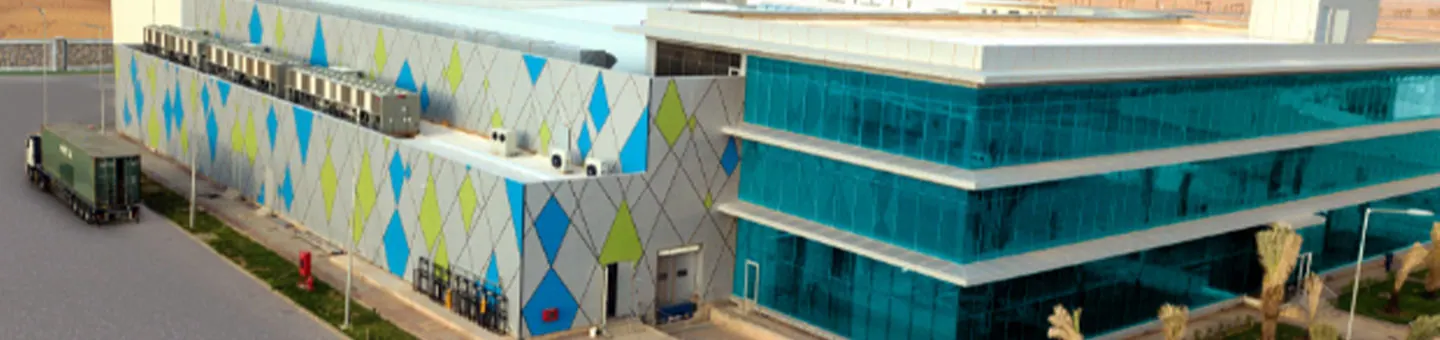
Sudair Pharma set out to build a pharmaceutical manufacturing facility in Saudi Arabia.
The project was launched in 2014. Its aim was a plant that would develop drugs to treat chronic and life-threatening illnesses all over the Middle East.
Companies in Saudi Arabia prefer to source from European manufacturers. Sudair Pharma was no exception.
Key fact Detail
- Type of plant
- Oncology facility
- Client and country
- Sudair Pharma, Saudi Arabia
- Fabtech's turnkey contract
- Cleanroom, HVAC, clean utilities and clean infrastructure
- Production facility
- 6,285 sqm
- Work completed while the project's funds were blocked
- 95%
- Project launched
- 2014
How we were invited to pitch
Fabtech never expected to have a role in this project.
The talk at the time was that Sudair had no intention of working with Asian pharma engineering companies. Then someone we had worked with on another project in Algeria introduced us to Sudair.
They said we were a company that carried out complex projects that no one wanted to take on. They added that we worked in parts of the world where no one wanted to go.
After this, the Sudair management team became interested. They invited us to pitch.
We were the only non-European company competing for the project. Sudair sent a team to inspect our factories and assess our technical teams.
They also checked our references.
What we won
Sudair was impressed with what we could do.
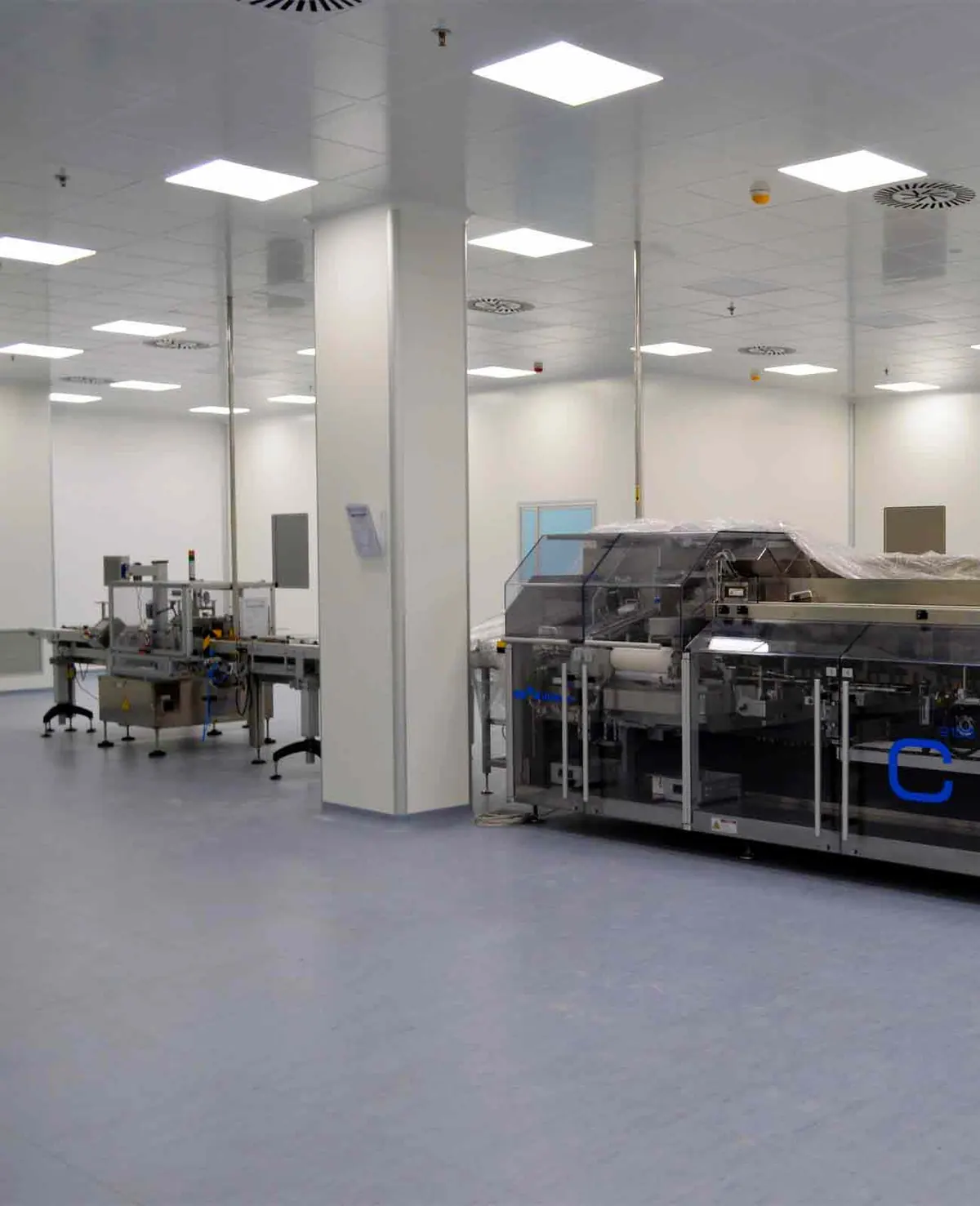
It awarded us the entire low side cleanroom, HVAC, clean utilities and clean infrastructure turnkey project for the production facility of 6285 sqm. HVAC is the heating, ventilation and air-conditioning system.
The rest of the plant would come from European companies.
We understand "low side" to mean the rooms, the air, the utilities and the infrastructure that the process machines are installed into. It does not include the process machines themselves.
If that reading is right, this scope decides whether the process machines can be qualified when they arrive. A qualified machine has been tested, with written records that show it works as it should.
This scope is also the part of a plant that an owner is least able to buy in separate pieces. The full model is on pharmaceutical turnkey projects.
When the funding stopped
Work on the project was at full speed when political challenges caused all its funds to be blocked.
This brought uncertainty and delays. We kept working and completed 95% of the work, with only validation still to go.
Validation is the last set of tests and records that prove the plant works as it should.
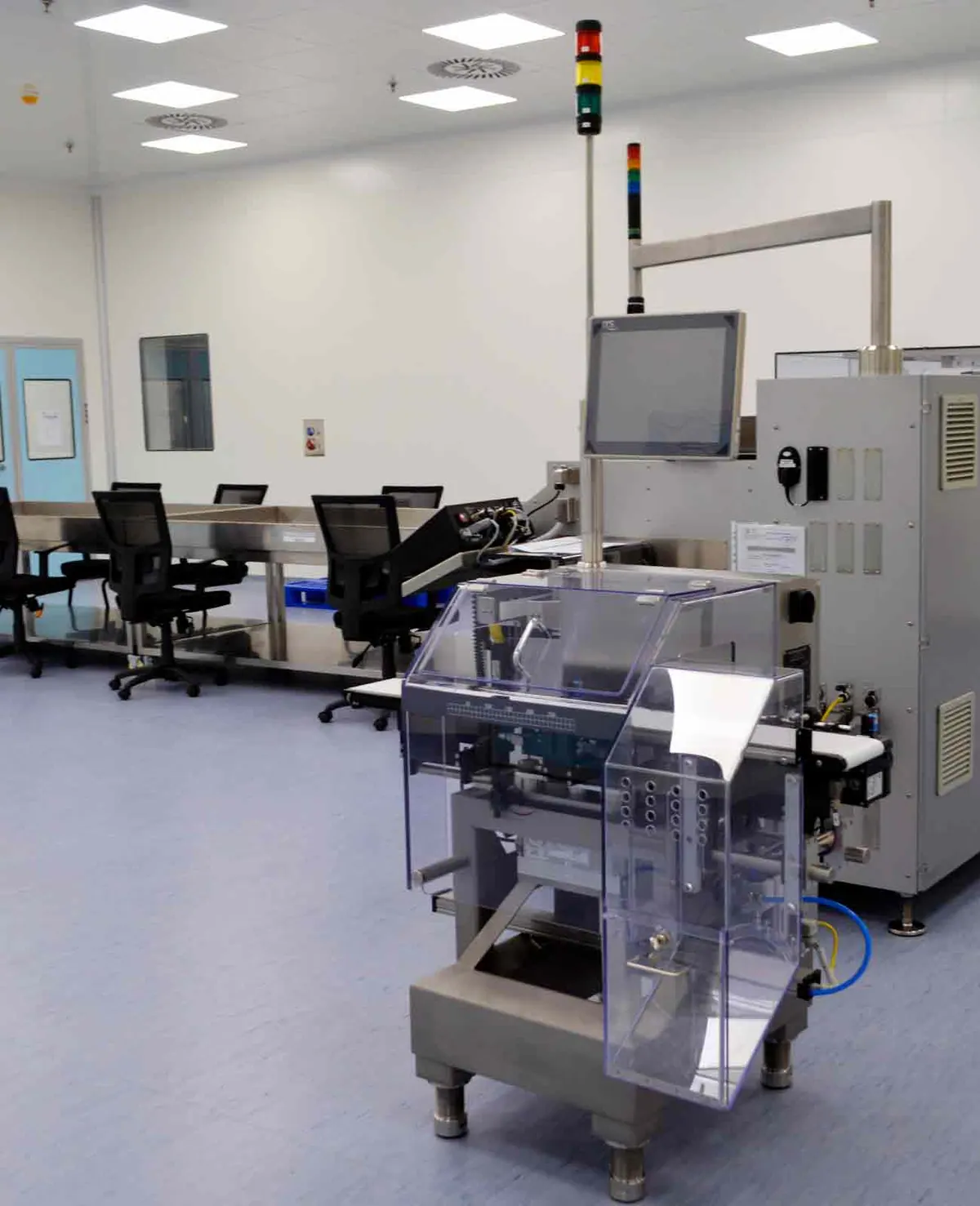
The European manufacturers supplied the machines, but some of them refused to install them. The project was now late, so they expected a huge sum to remobilise their installation team.
To remobilise means to send the team back to the site. Our own team completed the installation.
We did it at a fraction of what Sudair would have had to pay the European manufacturers.
This is the practical reason to choose a partner who can do the installation work, rather than one who only specifies.
A remobilisation charge is what a plant owner pays for a delay that was not their fault. The owner can avoid it only if someone on the project can do the installation work themselves.
What we supplied
The facility was completed despite these problems.
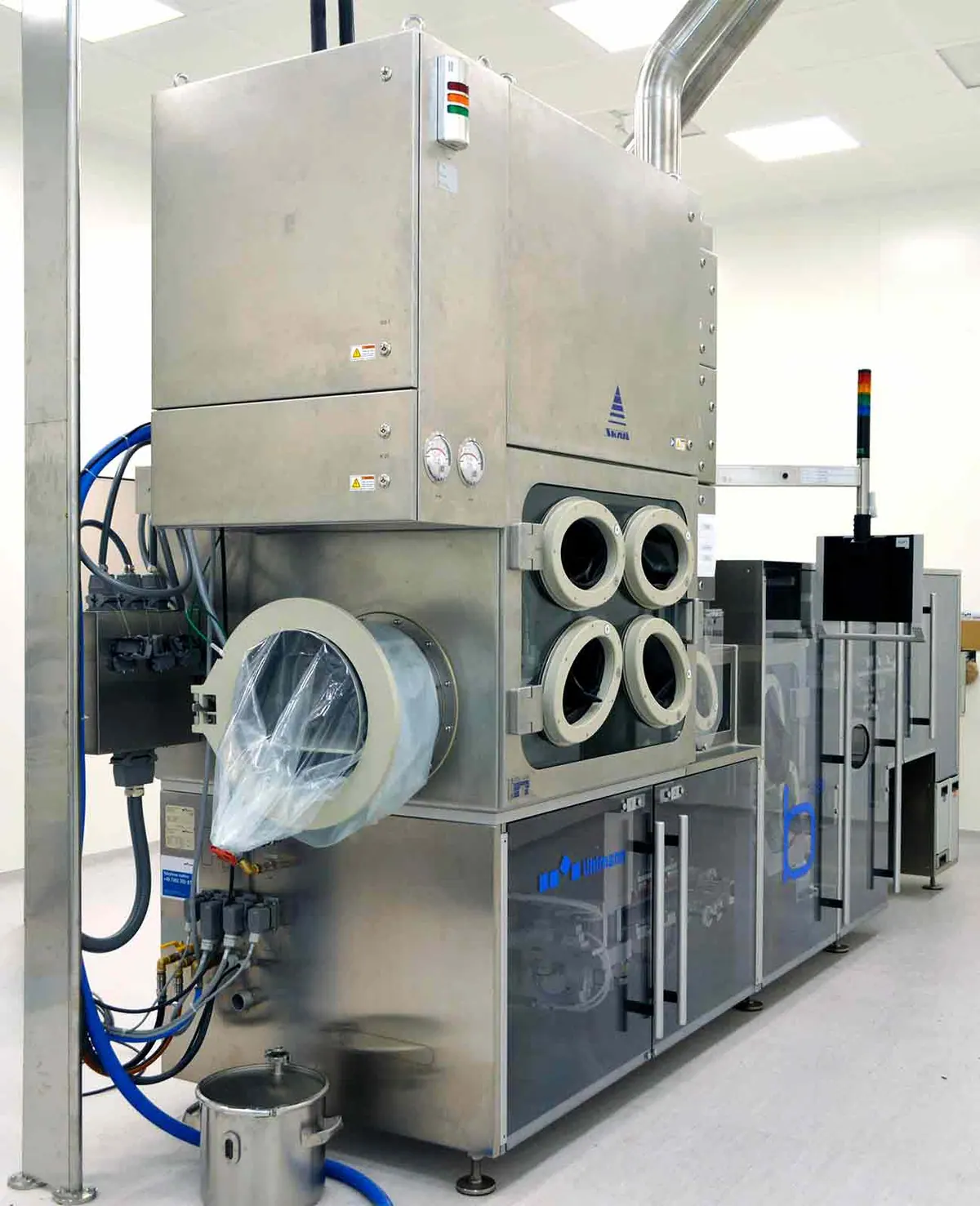
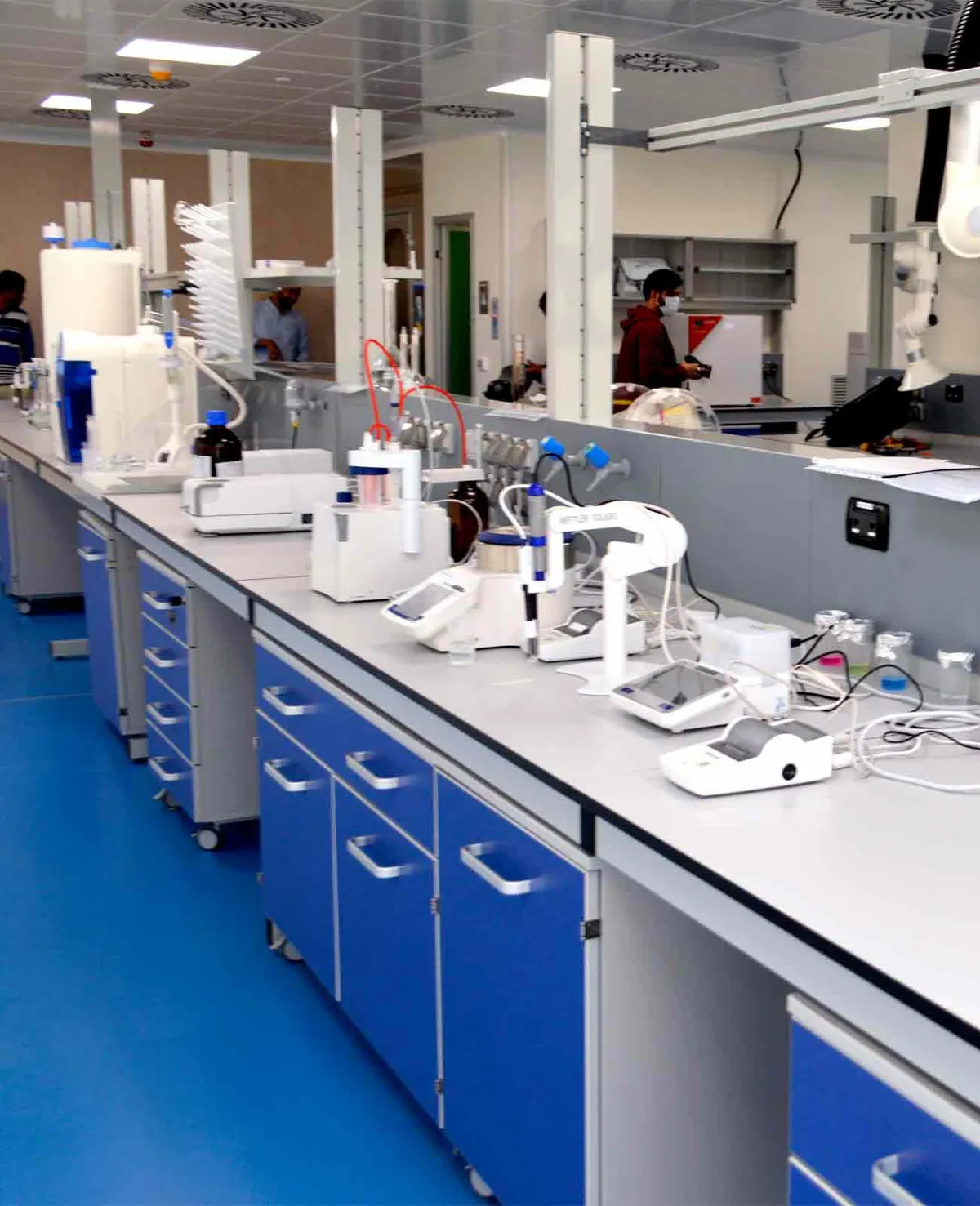
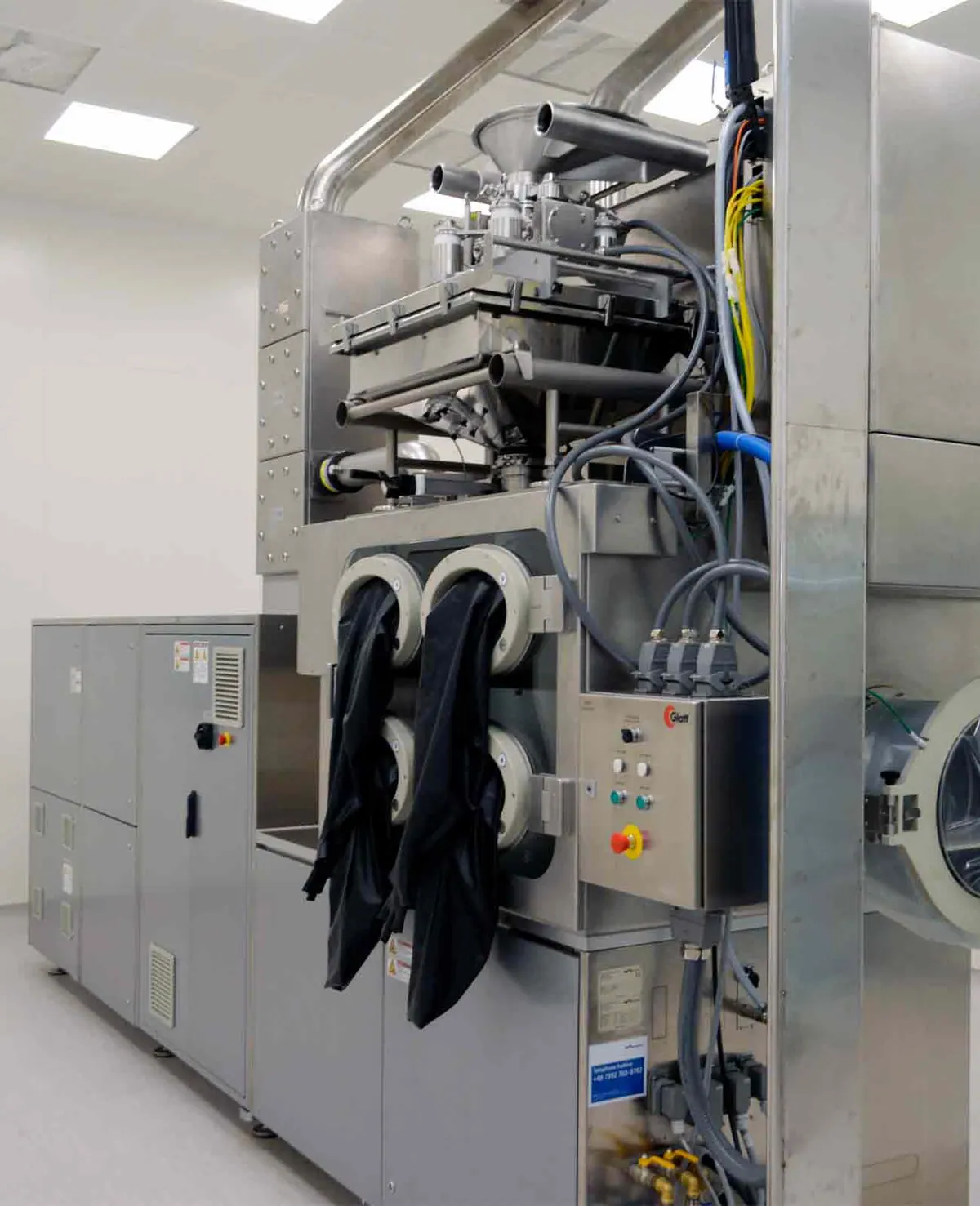
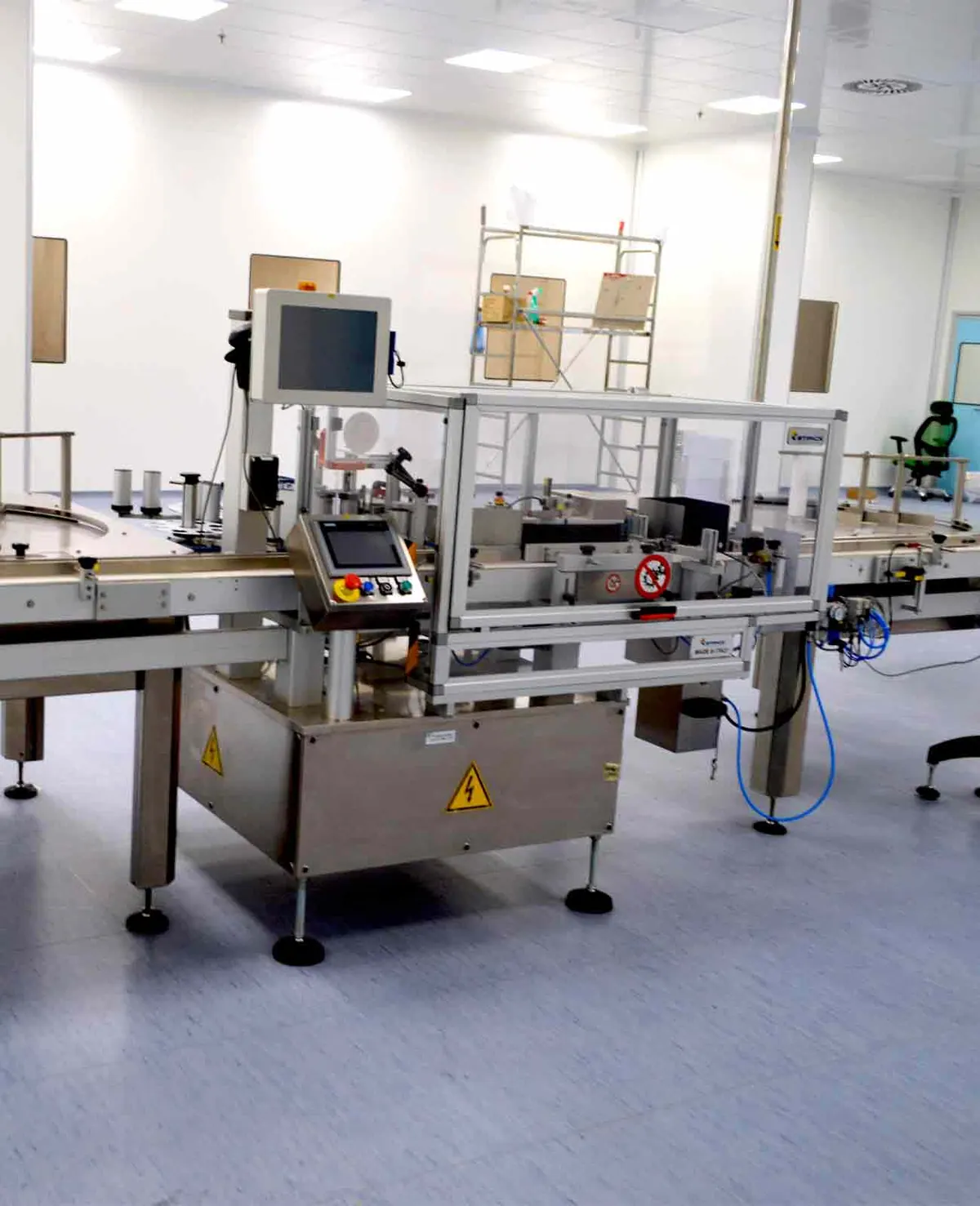
It is now fully operational. It is an oncology facility.
Oncology medicines treat cancer. We supplied:
- Bio-cleanroom, containment solutions and isolators
- Cleanroom equipment
- BMS and EMS
- High purity water generation and distribution systems
- Clean utilities
- End-to-end electromechanical
BMS is the building management system.
With Fabtech's support, Sudair is making affordable medicines available to the people who need them.
An oncology plant handles potent drugs. Potent drugs are harmful in very small amounts.
Containment means keeping them away from the people and rooms around them.
Handling potent drugs would set the isolator and containment scope. That scope was ours on this project.
This is why it is the reference we point to on greenfield and brownfield projects when the question is oncology. Our oncology manufacturing facility page explains how such a plant is designed.
What Sudair said
We've been dealing with Fabtech Technologies for the last year and a half since they were awarded our turnkey project. They did a fantastic job on the site.
They are very good engineers and the leadership of this company is really amazing. They were very helpful during a very difficult time we had with the company. The equipment was supplied by European and American companies. The issues related to these equipments were solved by Fabtech. We are very happy with their performance, their attitude, their outcome on the site. Our facility will be FDA approved. I would like to thank them for their time and their efforts. When we have our second project, Fabtech will be one of the major contributors especially on the turnkey solutions. I wish them every success.
FAQ
Who built the Sudair Pharma facility in Saudi Arabia?
Fabtech delivered the low-side scope. This was the cleanroom, HVAC, clean utilities and clean infrastructure turnkey package for the 6,285 sqm production facility. The process machines came from European suppliers.
What does the Sudair plant make?
Sudair Pharma's plant in Saudi Arabia is an oncology facility. Oncology medicines treat cancer.
What is a low-side scope?
On this contract, the term means the rooms, the air, the clean utilities and the infrastructure that process machines are installed into. It does not include the machines themselves. On that reading, it decides whether those machines can be qualified once they arrive.
Do you work in Saudi Arabia and the Gulf?
Sudair is our named Saudi project. The published record also includes Madinat Al-Dawaa in Saudi Arabia, Gulf Biotech in Bahrain and Wockhardt in the UAE. It also includes other Gulf healthcare projects, including Burjeel Hospital.
What happens if a project is delayed or funding is interrupted?
On this project we completed 95% of the work, with only validation outstanding. The European machinery suppliers then declined to remobilise for the installation. To remobilise means to send their teams back to the site. We did that installation at a fraction of their remobilisation price. We could do this because our own team can install machines.
Planning a plant in the Gulf: tell us the product and the site
We reply within 24 hours.